




7 Signs Your RAM Truck Needs A Wheel Alignment
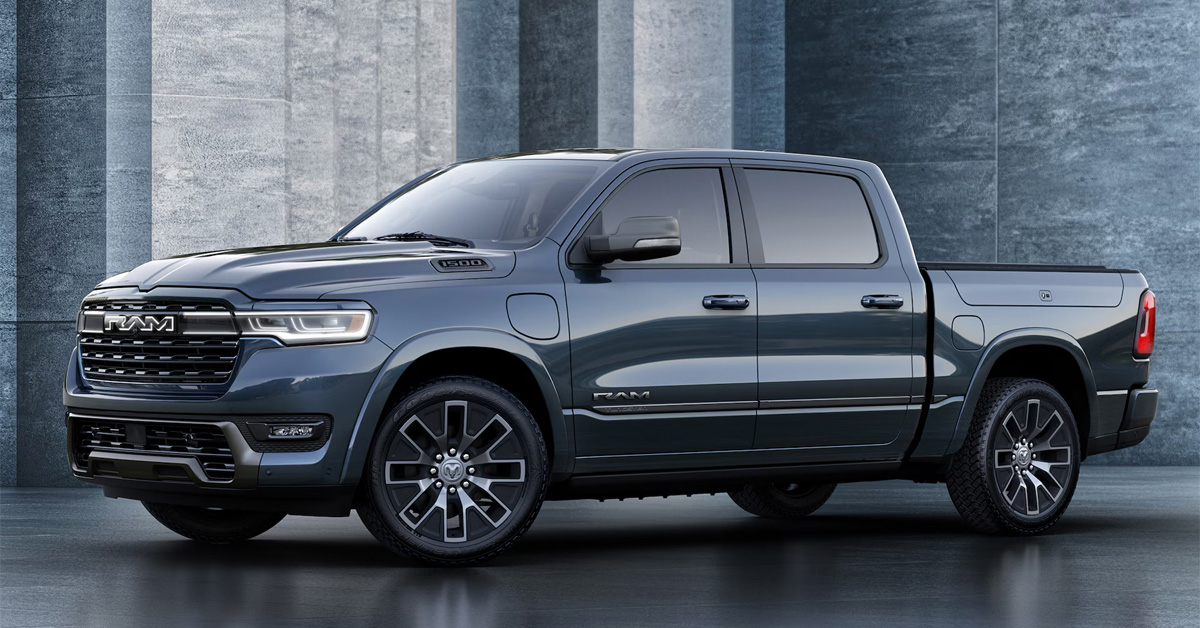
If your RAM 1500, 2500, or 3500 has started pulling to one side, vibrating at highway speeds, or wearing down tires unevenly, there’s a good chance your alignment is off. These subtle changes might not seem urgent at first but over time, poor alignment can impact your truck’s handling, fuel efficiency, and safety.
In this article, we’re breaking down the seven most common signs your RAM needs a wheel alignment in 2025. From steering issues to sudden dips in fuel economy, we’ll explain what each symptom means, why it matters, and how quickly addressing it can protect your investment. Whether you’re driving through Woodbridge, commuting across Stockton, or hauling in Lockeford or Armstrong, these warning signs shouldn’t be ignored.
If you notice any of these issues, trust Lodi CDJR for professional RAM wheel alignment service. We provide expert care and transparent pricing for RAM 1500 alignment cost, RAM 2500 alignment cost, and RAM 3500 alignment cost, backed by factory-trained technicians who know your truck inside and out.
1. Uneven Tire Wear on Your RAM 1500
One of the first signs your RAM needs a wheel alignment is uneven tire wear. If you notice that the tread on your RAM 1500 tires wears down more on one side, this could mean your wheels are out of alignment.
Why does uneven tire wear happen? When your wheels are not properly aligned, they do not roll straight. This causes extra friction on certain parts of your tires. Over time, this leads to uneven wear, which can reduce the life of your tires and hurt your truck’s performance.
Here are key points to watch for uneven tire wear on your RAM 1500:
- Tire tread looks lower on one edge than the other
- Tires show bald spots or cupping
- Front and rear tires wear differently
- Tire wear happens faster than expected
For drivers in Woodbridge, Stockton, Lockeford, and Armstrong, regularly checking your tires helps catch alignment issues early. Staying within the recommended RAM 1500 alignment specs ensures your tires wear evenly and last longer.
If you see signs of uneven wear, getting a RAM wheel alignment can save you money in the long run. Proper alignment helps your tires grip the road better and improves fuel efficiency.
2. Your RAM Truck Pulls to One Side While Driving
If your truck pulls to one side while driving, this is a clear sign that your wheels may be out of line. It can feel like you have to fight the wheel just to stay straight. This is more than a small issue—it can be a safety risk.
When your wheels are not aligned, your tires may point in different directions. This makes your truck drift or pull without any help from the wheel. Drivers around Lockeford and Armstrong often feel this when switching lanes or taking long highway drives.
This issue shows up in these ways:
- Truck pulls left or right on flat roads
- Need to adjust steering often to stay in your lane
- Hard to keep the truck straight when braking
This can happen after hitting a curb, pothole, or after off-road use. It’s common in heavy-duty trucks that take on tough jobs. That’s why it’s especially important to keep an eye on your RAM 2500 if you drive through Stockton or rural roads near Woodbridge.
Getting a RAM 2500 alignment cost estimate early can help avoid larger issues later. Realigning your wheels will restore smooth handling and reduce stress on your tires and steering.
If you feel a pull, don’t wait. A simple alignment check may be all your truck needs.
3. Steering Wheel Is Off-Center on Your RAM 3500
If your steering wheel doesn’t sit straight when your RAM 3500 is driving straight, your alignment is likely off. Many drivers first notice this while on a flat road. The truck moves in the right direction, but the wheel is tilted.
This may not seem like a big deal at first. But over time, it can lead to other issues.
Here’s what an off-center wheel can signal:
- Front wheels may not be aimed in the same direction
- Suspension parts could be worn or bent
- Steering may feel loose or slow to respond
When this happens, your RAM 3500 will not handle the way it should. You may need to grip the wheel tighter or steer more often. This can be a problem on longer drives, especially through city areas like Stockton or Woodbridge.
An alignment check can fix this issue quickly. If parts are still in good shape, the fix may be simple. In many cases, the RAM 3500 alignment cost is lower than the cost of worn tires or steering parts later.
Even a small steering shift can point to a bigger issue. If your wheel doesn’t sit where it should, it’s time for a check.
4. Vibrations or Shaking Felt in the Steering Wheel
If you feel shaking in the steering wheel while driving, your wheels may be out of alignment. This is a common sign in trucks like the RAM 1500. You may notice it more at high speeds or while turning.
These small shakes may not seem like a big deal at first. But they often mean your tires aren’t meeting the road as they should.
Here are common causes of steering wheel vibrations tied to misalignment:
- Wheels are pointing in different directions
- Tires are wearing unevenly
- Front-end parts are under extra stress
For drivers in Lockeford, Woodbridge, or Armstrong, these road issues are common, especially with regular highway trips or rough back roads. A proper RAM wheel alignment helps bring back smooth, steady steering.
When your RAM 1500 is aligned, the wheel should feel firm and centered in your hands. You shouldn’t need to grip tight just to keep it straight. If the shakes don’t go away, don’t ignore them. They can lead to:
| Problem | Impact on Your Truck |
| Tire wear | Shorter tire life |
| Suspension strain | Parts wear faster |
| Poor steering control | Less safe driving |
Alignment is quick to fix and helps your RAM stay safe and smooth on the road. Don’t wait if your steering wheel starts to shake.
5. Increased Fuel Consumption on Your RAM Truck
If your RAM 2500 is using more fuel than usual, it may be time for a wheel alignment. Poor alignment causes tires to drag. This drag makes your engine work harder, which means your truck burns more gas.
This is a quiet problem. Many drivers don’t notice it right away. But over time, it can cost you at the pump.
Here’s how bad alignment affects fuel use:
- Tires are not straight, so they push against the road
- Engine works harder to move the truck
- Gas mileage drops over time
This is a common issue for RAM 2500 owners who haul, tow, or drive long trips near places like Stockton or Lockeford. You may think the problem is your tires or the load, but it could be your alignment.
A quick check of your wheels can fix this. When aligned, your RAM 2500 rolls smooth and burns less fuel. That’s why getting a RAM 2500 alignment cost estimate now can save money later.
Use this simple guide to decide if alignment could help:
| Sign | What It Might Mean |
| MPG has dropped | Wheels may be out of line |
| More stops at the gas pump | Engine is working too hard |
| Tires wearing faster | Alignment may be the cause |
Fuel adds up fast. Keep your truck on track with a proper wheel alignment.
6. Difficulty Maintaining Proper Handling and Control
When your RAM 1500 feels hard to steer or slow to respond, it could be an alignment problem. Steering should be smooth. If the truck sways or feels loose in turns, that’s not normal.
Handling issues often start small. But they can lead to more serious trouble if left unchecked.
Here are signs your RAM may be hard to control:
- Steering feels heavy or slow
- Truck drifts while turning
- You need to correct the wheel often
Drivers in Armstrong or Woodbridge may feel these issues more during tight turns or on curved roads. For trucks like the RAM 1500, alignment specs are designed to keep the steering tight and balanced. If your truck falls outside those specs, it affects the whole drive.
Checking your RAM 1500 alignment specs helps ensure each wheel points in the right direction. It also keeps your steering parts from wearing down too soon.
Here’s how proper specs help with control:
| Benefit | What It Means on the Road |
| Balanced steering | Better control in turns |
| Less drift or sway | Easier to stay in your lane |
| Less strain on suspension | Fewer costly repairs over time |
If your RAM feels like it’s not listening to the wheel, don’t wait. A quick alignment could bring back full control.
7. Recent Impact or Rough Terrain Driving Requires Realignment
If your truck has hit a pothole, curb, or rough patch of road, it may need a wheel alignment. These impacts can throw off even a strong truck like the RAM 1500, 2500, or 3500.
You may not feel the issue right away. But over time, small alignment shifts grow into bigger problems.
Common causes for misalignment include:
- Hitting potholes at higher speeds
- Driving off-road or on gravel roads
- Running over curbs or parking stops
- Hauling or towing on uneven ground
In places like Lockeford or Stockton, road wear and rural routes increase the chance of these impacts. And with larger trucks like the RAM 2500 or 3500, the added weight makes them more prone to alignment changes after a hit.
If it’s been a while since your last service, or if you’ve noticed rougher handling after an impact, now is the time to act. Here’s a basic guide to typical alignment concerns:
| RAM Model | Reason to Check Alignment |
| RAM 1500 | Daily use, urban curbs, light hauling |
| RAM 2500 | Heavy loads, towing, rural driving |
| RAM 3500 | Worksite travel, trailer pulling |
Getting ahead of the issue can save you money. A quick check and a small RAM 1500, RAM 2500, or RAM 3500 alignment cost now is far cheaper than replacing worn tires or steering parts later.
If your truck has seen rough roads lately, an alignment is a smart next step.
Common Questions About RAM Wheel Alignment
If your RAM truck is showing signs of poor alignment, you’re not alone. Below are answers to common questions drivers from Lodi, Stockton, Lockeford, and Woodbridge often ask about alignment issues in RAM 1500, 2500, and 3500 models.
How much does an alignment cost for my RAM?
A RAM wheel alignment typically costs between $100 and $150, depending on the model and service location.
Why does my RAM keep pulling to the right?
A RAM truck may pull to the right due to misaligned wheels, uneven tire pressure, or worn suspension components.
How do I fix my steering wheel pulling to the right?
To fix a steering wheel that pulls to the right, schedule a professional wheel alignment and inspect your tires and suspension.
How often should I get an alignment on a RAM truck?
You should get a wheel alignment every 12,000 miles or once a year, or sooner if you notice handling issues.
If you need help diagnosing your alignment problem, your local RAM-certified technicians at Lodi CDJR can help.
Get Your Ram Back in Action with Lodi CDJR
If you live in Woodbridge, Stockton, Lockeford, or Armstrong, Lodi CDJR is here to help. Whether you need a wheel alignment or want to explore our wide selection of RAM trucks including the 1500, 2500, and 3500, we have you covered.
Our team knows RAM trucks inside and out. We also offer service and parts for the latest engines, like the returning powerful HEMI V8, designed to deliver strong performance and efficiency.
For vehicle care tips, check out our resources on common issues such as engine vibrations while idling. You can also learn about the newest RAM 1500 engine options that bring advanced power and technology to your drive.
Contact us or visit Lodi CDJR today for expert service or to find the perfect RAM truck for your needs. We proudly serve drivers throughout the Lodi area with quality vehicles and trusted care.
Disclaimer: All information is provided for general informational and entertainment purposes only. While we strive for accuracy, we cannot guarantee that all content is complete, current, or error-free. Any reliance you place on such information is strictly at your own risk. This article may include opinions and is not endorsed by, or officially affiliated with, any vehicle manufacturer or brand. Always consult official sources – such as the vehicle’s owner’s manual, authorized dealerships, or certified professionals – for the most up-to-date and personalized information.
The Return of Ram’s Hemi V8: Here’s What to Expect
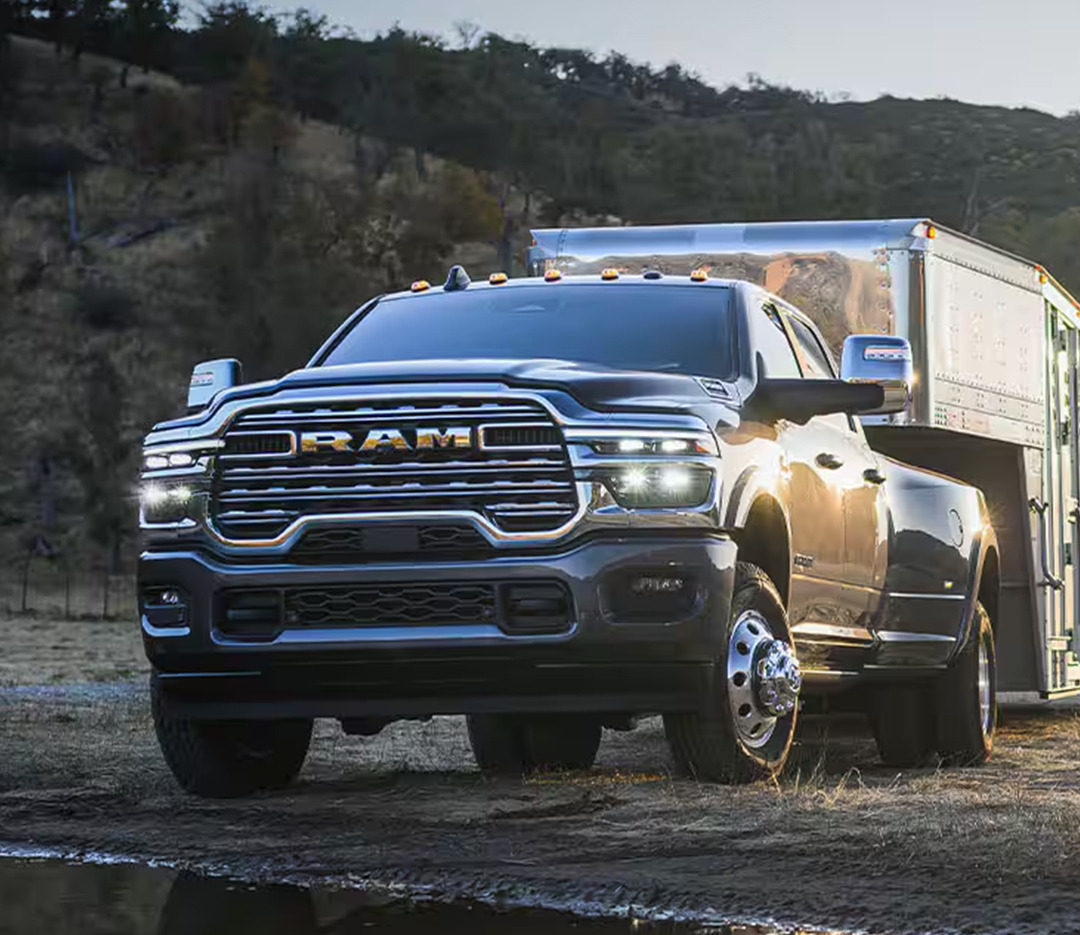
The legendary rumble is back, Ram’s iconic Hemi V8 engine is making a powerful return in 2025, and truck enthusiasts across Woodbridge, Stockton, Lockeford, and Armstrong are already buzzing. After a brief hiatus, Ram is bringing back the muscle that helped define its lineup, delivering raw power, unmistakable sound, and serious capability. Whether you’re hauling heavy loads in a Ram 2500, chasing torque in a Ram 3500, or cruising in a Ram 1500, the 2025 Hemi V8 promises a thrilling comeback. Ready to feel that V8 thunder again? Visit or contact Lodi CDJR to learn more about availability and how to get behind the wheel.
Why Is the Ram Hemi V8 Engine Coming Back in 2025?
Ram knows power still matters. In a world filled with hybrids and EVs, many drivers still want a true gas-powered engine. That’s why the Ram Hemi V8 return is big news in 2025. The brand is bringing back the muscle that made its name. This move shows Ram is listening to what real truck owners want, strength, sound, and simple, proven power.
In places like Woodbridge, drivers often need a truck that can do more than just get good gas mileage. They need something that can haul, tow, and keep up with the demands of work and life. The Ram Hemi V8 does that, and then some.
So why now? There are a few key reasons:
- Demand from loyal drivers who missed the Hemi V8 after it was dropped
- A need for more towing power in key models like the Ram 1500
- A shift in truck trends, not every buyer wants an electric or turbocharged motor
- Improved engine tech that helps meet new rules without losing raw power
In short, the Hemi is back because people asked for it. Ram made a bold choice to bring it back for 2025, and that choice speaks to those who need a truck that works as hard as they do.
If you’re in Stockton or nearby and looking for a truck with muscle, this is the news you’ve been waiting for. The 2025 Ram 1500 with the Hemi V8 could be your next truck.
What Can You Expect from the 2025 Ram Hemi V8 Engine?
The Ram Hemi V8 engine comeback isn’t just about bringing back a name. It’s about doing it better than before. Ram didn’t just dust off the old design. Instead, they reworked it for 2025 with the goal of adding more power and better fuel use, all while keeping that strong, deep V8 sound drivers love.
The 2025 version builds on years of success, but adds new updates to meet today’s needs. Ram knows its drivers in places like Lockeford want more than just speed. They need an engine that lasts, pulls weight, and runs smooth under stress. That’s what they’ll get.
Here’s what early reports suggest you can expect:
- more horsepower than the last-gen Hemi
- higher torque, perfect for pulling or hauling
- better fuel use, thanks to tuning updates
- less engine noise inside the cab, while still sounding strong outside
- more tech inside, with smoother shifts and smarter throttle control
Ram has always been known for grit. This updated Hemi V8 proves that grit can grow smarter. In trucks like the Ram 2500, these gains make a real change. Drivers will feel it on hills, job sites, or long road trips.
If you work, tow, or just want real power, the 2025 engine gives you what you need, with more brains and less waste. It’s the right move for folks who don’t want to give up V8 strength just yet.
Which Ram Trucks Will Feature the New Hemi V8 in 2025?
The Ram Hemi coming back in 2025 means more than just one truck getting a power boost. Ram plans to offer the new engine in multiple models, giving drivers more choices for strength and speed. Whether you’re looking for a light-duty pickup or a heavy-duty work truck, there’s a Hemi fit for the job.
One of the biggest upgrades will be seen in the Ram 3500. Known for its raw strength and serious hauling power, this truck is built for work. With the new V8, drivers in Armstrong and nearby towns can expect more torque, better response, and the kind of reliability that makes a real difference on the job.
Here’s how the lineup may look:
| Ram Truck | Hemi V8 Expected? | Benefit for Drivers |
| Ram 1500 | Yes | A mix of power and daily drive comfort |
| Ram 2500 | Yes | More towing force and off-road strength |
| Ram 3500 | Yes | Max torque for heavy loads and tough tasks |
Adding this V8 back to the lineup gives more tools to drivers who need their truck to do more. In places like Woodbridge or Stockton, trucks aren’t just for looks, they’re part of daily life.
Each of these models with the new engine will help drivers tow, haul, and move through their day with ease. The return of this trusted V8 means fewer limits and more control behind the wheel.
How Will the 2025 Ram Hemi V8 Compete Against Turbocharged and EV Rivals?
The truck world is changing fast. With more brands pushing turbocharged and electric options, the Ram Hemi V8 comeback may seem bold. But it makes sense. Many drivers still want strong, steady power without the buzz of a turbo or the wait of a charge. Ram knows this, and they’re not backing down.
For drivers in towns like Armstrong who tow trailers, move tools, or drive long miles each day, the Hemi V8 is still a top choice. It’s simple, proven, and easy to work on. It also brings back something new engines can’t: the feel and sound of raw power.
Let’s break down the key comparisons:
| Feature | Ram Hemi V8 | Turbocharged Engine | Electric Truck |
| Power delivery | Steady and smooth | Quick but sometimes uneven | Instant torque |
| Maintenance costs | Moderate and predictable | Often higher | Lower, but parts may cost more |
| Sound and feel | Deep V8 growl | Whine or hiss | Silent or near silent |
| Refuel or recharge time | 5 minutes at a pump | 5 minutes at a pump | 30+ minutes to recharge |
| Fit in the Ram 1500 | Yes | Yes | Yes, but limited range |
This engine helps Ram stand out. It gives buyers a third choice, something not fully new, but not out of date. It’s a smart bet for drivers who want strength and don’t want to wait at a charger.
Ram 1500 buyers who don’t want a turbo or EV will find what they’re looking for in this engine. With this move, Ram gives its fans a real choice. Not every truck needs to change to stay strong.
When will the 2025 Ram Hemi V8 be available near Stockton and Woodbridge?
If you’re looking for real truck power, you won’t have to wait much longer. The Ram Hemi V8 2025 is expected to arrive at dealerships before the year ends. That means drivers in places like Stockton and Woodbridge can soon get behind the wheel of a truck that brings back the muscle they’ve been missing.
The rollout will happen in stages. First, large dealers in major cities will get early shipments. Smaller towns will follow as production ramps up.
Here’s a quick look at the expected release timeline:
| Timeframe | What to expect |
| Late summer 2025 | First arrivals at select dealerships |
| Early fall 2025 | More trim levels with V8 available |
| End of year | Full launch across all Ram truck lines |
The Ram trucks expected to offer the new V8 engine include:
- Ram 1500 in trims like Big Horn and Laramie
- Ram 2500 models built for tow strength and off-road use
- Ram 3500 HD options geared for max payload and long hauls
These trucks won’t all come standard with the V8, so it’s best to check with your local dealer. Lodi CDJR can help you pre-order or reserve the trim you want.
The return of the Hemi V8 is one of the most talked-about moves this year. If you want power, torque, and dependability in your next Ram truck, now’s the time to plan.
Common Questions About the Return of the Ram Hemi V8 Engine
If you’re shopping for a new truck or keeping an eye on upcoming Ram models, these are some of the most common questions being asked right now. Below are direct answers to help clarify what’s happening with Ram’s Hemi V8 engine lineup.
Is Ram bringing back the Hemi-V8 in 2026?
Ram is expected to bring back the Hemi V8 engine in limited trims for the 2026 Ram 1500.
Why did Ram cancel the Hemi-V8 engine in the first place?
Ram discontinued the Hemi V8 to meet stricter emissions regulations and make room for the newer Hurricane twin-turbo inline-six engines.
Which Ram pickups will have the Hemi-V8 engine in 2026?
As of now, only the 2026 Ram 1500 RHO is confirmed to include the Hemi V8 engine. Other trims are expected to use the Hurricane engines
Will the Hemi-V8 be the standard engine for the 2026 Ram 1500?
No, the Hemi V8 will not be the standard engine. The 2026 Ram 1500 will use the Hurricane inline-six as its base engine, with the Hemi reserved for select models.
These answers can help guide your next truck purchase or upgrade, especially if you’re waiting on a V8 option to return. Let your local dealer know early if you’re interested in a Hemi-equipped model.
Find Your Next Ram Truck at Lodi CDJR
If you’re in Woodbridge and looking for a powerful, reliable truck, Lodi CDJR has you covered. Check out our wide selection of Ram 1500,2500, and 3500 models. We’re here to help you find the right truck for work, play, or both.
Want to learn more about engine performance or vehicle options? You can explore helpful guides like why your Jeep might be shaking while idle, the next-generation engine options for the Ram 1500, or which Jeep models have the highest ground clearance. These resources can give you insight into vehicle performance and help you make smarter choices.
Ready to take the next step? Visit or contact Lodi CDJR today for more information about the Ram Hemi V8 return and how it fits into the 2025 lineup. Our team is here to help you get the truck that meets your needs.
Why Is My Jeep Shaking While Idle?
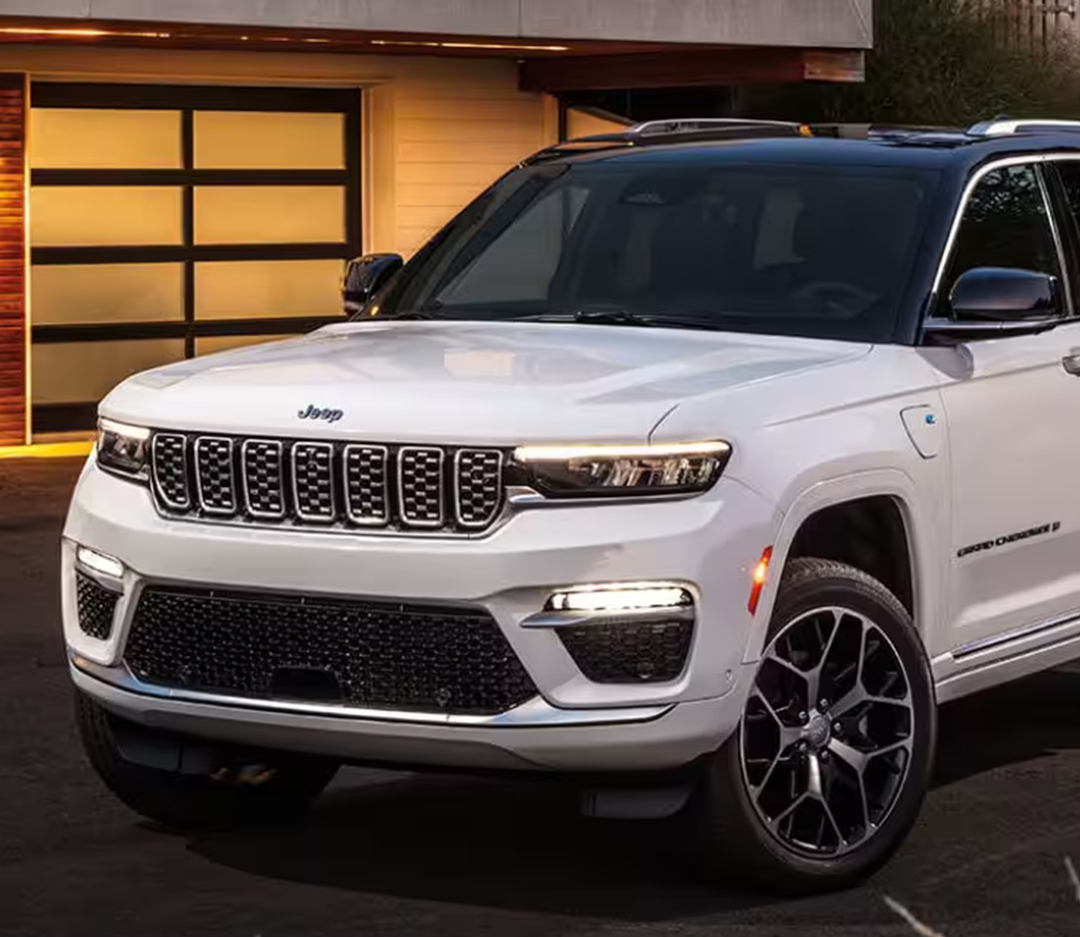
When you’re behind the wheel of your Jeep, whether it’s a rugged Wrangler, a smooth Grand Cherokee, or a powerful Gladiator, you expect performance and reliability. So if you’ve noticed your Jeep shaking or vibrating while idling—whether at a red light, in your driveway, or during a quick stop—it’s understandable to feel concerned.
A shaking Jeep during idle can be more than just annoying. It could be a sign of a mechanical issue that needs prompt attention. At Lodi CDJR, we’ve helped countless Jeep drivers in Woodbridge, Stockton, Lockeford, and Armstrong diagnose and fix this exact issue.
In this guide, we’ll break down the most common reasons your Jeep might shake while idling in 2025 and what you can do about it.
What Does It Mean When a Jeep Shakes While Idling?
Vibrations or shaking at idle typically indicate that your engine isn’t running as smoothly as it should. Unlike shaking during driving, which can point to alignment or suspension issues, idle shaking is almost always rooted in the engine or related components.
The key is to pay attention to when the shaking happens. If your Jeep vibrates while parked or in neutral, the issue is likely under the hood. Below are the most common causes and what they mean for your Jeep.
Common Reasons Your Jeep Is Shaking While Idle
1. Worn or Faulty Spark Plugs
Spark plugs are responsible for igniting the fuel-air mixture in your engine’s cylinders. Over time, they wear down or become dirty. If one or more spark plugs misfire, it can cause the engine to shake, especially at idle when the engine speed is low.
Signs it might be spark plugs:
- Rough idle
- Poor fuel economy
- Delayed acceleration
- The check engine light may be on
Solution: Replace all spark plugs if they’re due. Newer Jeeps typically require replacement every 60,000 to 100,000 miles, depending on the model.
2. Vacuum Leaks
Vacuum hoses route air through your engine for things like emissions control and idle speed. A cracked or disconnected hose causes unmetered air to enter the system, which leads to an uneven air-fuel mixture and engine shaking.
Signs of a vacuum leak:
- High-pitched hissing sound
- The engine idles roughly or stalls
- Check engine light
- Shaking mostly at idle or low RPMs
Solution: A mechanic can test for vacuum leaks using smoke or pressure tests. Replacing or reattaching a hose is usually inexpensive.
3. Dirty or Faulty Fuel Injectors
Fuel injectors spray fuel into the engine at a precise angle and rate. If they get clogged with carbon deposits or start to fail, the engine can run unevenly or shake at idle.
Watch for:
- Rough idle or engine misfire
- Reduced fuel economy
- Delayed throttle response
- Hesitation or shaking at stoplights
Solution: A fuel injector cleaning or full replacement may be needed, depending on the severity. Regular use of fuel system cleaners can help prevent buildup.
4. Failing Engine Mounts
Your engine is held in place by mounts that absorb vibration. When these mounts start to wear out or crack, they can’t dampen engine movement. This causes the entire vehicle to shake, especially when the engine is idling in place.
Symptoms include:
- Strong vibration felt in the seats or the steering wheel
- Increased shaking when in gear but stationary
- Loud engine thud when shifting gears
Solution: Engine mounts usually need full replacement. This job should be handled by a professional technician.
5. Dirty or Faulty Idle Air Control Valve (IACV)
The IACV controls airflow at idle. If it’s dirty or sticking, your engine may not get the right amount of air to maintain a steady idle, leading to shaking or stalling.
Possible signs:
- Inconsistent or fluctuating idle RPM
- Vehicle stalls at stops
- Rough idle, especially when cold
- The check engine light may come on
Solution: The valve can sometimes be cleaned, but replacement may be needed for high-mileage Jeeps.
6. Worn Timing Belt or Chain
A loose or stretched timing belt or chain can throw off engine timing. This can result in misfires, a rough idle, or even damage to the engine if not addressed.
Signs of timing issues:
- Rattling noise from the engine
- Engine misfire
- Rough idle or stalling
- Check engine light
Solution: A timing chain or belt replacement is a labor-intensive job and should only be done by certified mechanics.
7. Low or Old Motor Oil
Motor oil lubricates and cools the moving parts of your engine. If it’s old, dirty, or low, your engine has to work harder. This can cause vibration while idling.
What to look for:
- Unusual engine noise
- Increased vibration
- Oil light or low oil reading on dipstick
Solution: Check and change your oil as recommended—usually every 5,000 to 7,500 miles for modern Jeep models. Synthetic oil helps reduce engine wear and can minimize idle issues.
Should I Drive My Jeep If It’s Shaking at Idle?
In short, it depends. If the shaking is minor and no warning lights are present, it may be safe to drive to a service center for diagnosis. But if shaking is severe, if your check engine light is flashing, or if you hear knocking or loud noises, pull over and call for service.
Letting an issue go unchecked can lead to more serious engine damage and costly repairs.
Diagnosing Idle Problems: What to Expect at a Dealership
At Lodi CDJR, our certified Jeep technicians use advanced diagnostic tools to pinpoint the cause of idle issues. During your visit, we may:
- Scan your vehicle’s computer for trouble codes
- Perform a vacuum test
- Inspect spark plugs, ignition coils, and sensors
- Test fuel pressure and injector operation
- Check engine mounts and mechanical parts
Our goal is to get your Jeep running smoothly again, whether it’s a quick sensor swap or a deeper engine issue.
Preventing Idle Vibration: Maintenance Tips for Jeep Owners
You can avoid most idle problems by sticking to your Jeep’s maintenance schedule. Here are a few practical tips to help keep your vehicle running at its best:
Maintenance Tips:
- Replace spark plugs as recommended
- Use high-quality fuel and fuel system cleaners
- Inspect vacuum hoses at every oil change
- Don’t ignore warning lights
- Keep up with oil and filter changes
- Get your vehicle scanned if idle issues start suddenly
Staying proactive can help avoid rough idles and larger repairs down the road.
Which Jeep Models Are Most Affected by Idle Shaking?
While idle shaking can happen in any vehicle, some Jeep models and trims may experience this more due to engine type or mileage.
Commonly affected Jeep models:
| Model | Engine Type | Notes |
| Jeep Wrangler | 3.6L V6 / 2.0L Turbo | Turbo models may have IACV issues |
| Jeep Grand Cherokee | 3.6L V6 / 5.7L V8 | V8s are more prone to mount wear |
| Jeep Compass | 2.4L Tigershark | Known for vacuum hose issues |
| Jeep Gladiator | 3.6L V6 | Spark plug wear around 70K miles |
If you’re unsure, our team at Lodi CDJR can inspect your specific model and guide you on the best course of action.
When Should I Bring My Jeep to Lodi CDJR?
You should schedule a service appointment if:
- Your Jeep shakes noticeably when stopped
- You feel the vibration through the steering wheel or seat
- The check engine light is on
- Your fuel economy has dropped
- You hear rattles or unusual sounds during idle
At Lodi CDJR, we make it easy to book online or by phone. Our dealership in Lodi serves Jeep drivers throughout the Central Valley, including Stockton, Elk Grove, Galt, and Manteca.
Let Lodi CDJR Help You Fix Your Jeep’s Idle Problem
No one wants to deal with shaking or stalling every time they stop their Jeep. If your vehicle isn’t running the way it should, don’t wait. Trust the experts at Lodi CDJR to diagnose the issue and get you back on the road quickly.
We offer:
- Certified Jeep service technicians
- Genuine Mopar parts
- Same-day appointments and convenient hours
- Transparent pricing and estimates
You can also schedule your service appointment online, browse our current Jeep inventory, or apply for financing right from our website.
Frequently Asked Questions
If your Jeep is shaking or jerking while idling, you’re not alone. Many drivers ask these common questions to better understand what’s going on under the hood and how to fix it.
What causes a Jeep vehicle to shake?
A Jeep vehicle may shake due to worn spark plugs, dirty fuel injectors, vacuum leaks, bad motor mounts, or engine misfires.
Why is my car jerking while idling?
Your car may jerk while idling if the engine isn’t getting the right fuel-air mix, has a clogged injector, or there’s a problem with ignition timing.
How to fix engine shaking in a Jeep?
To fix engine shaking in a Jeep, inspect and replace worn spark plugs, clean fuel injectors, check vacuum lines, and test engine mounts. A certified technician can perform a full diagnosis.
What to do if I experience shaking or vibration in my Jeep?
If your Jeep is shaking, schedule a service appointment. Avoid driving long distances until the issue is diagnosed to prevent further damage.
Knowing the cause of engine shaking is the first step to keeping your Jeep safe and reliable. If you’re still unsure, visit Lodi CDJR for a complete diagnostic service.
Keep Your Jeep Running Smoothly with Help from Lodi CDJR
If your Jeep has been shaking while idling, it’s a sign that your vehicle may need attention. At Lodi CDJR, our certified technicians can help you get to the root of the issue and recommend the right solution. Whether it’s a quick inspection or a more in-depth repair, our team is here to help you drive with confidence again.
We invite drivers from Woodbridge, Stockton, Lockeford, Armstrong and nearby communities to explore our wide selection of new and pre-owned Jeep vehicles. From rugged Wranglers to smooth-driving Grand Cherokees, there’s something for every lifestyle and budget on our lot.
Ready to take the next step? You can start your journey online by filling out a quick finance application and browsing our new vehicle inventory. Our team is happy to answer questions and help you find the right vehicle or service. Contact us today!
If you’re interested in learning more about Jeep performance and features, we also recommend checking out information on the latest Ram engine options, which Jeep models offer the best ground clearance, and what it means when you see a Jeep with “Willys” badging. These helpful resources can give you more insight as you explore all your options.
Get Directions to Lodi CDJR
Disclaimer: All information is provided for general informational and entertainment purposes only. While we strive for accuracy, we cannot guarantee that all content is complete, current, or error-free. Any reliance you place on such information is strictly at your own risk. This article may include opinions and is not endorsed by, or officially affiliated with, any vehicle manufacturer or brand. Always consult official sources – such as the vehicle’s owner’s manual, authorized dealerships, or certified professionals – for the most up-to-date and personalized information.
Ram 1500 Next-Generation Engine Options
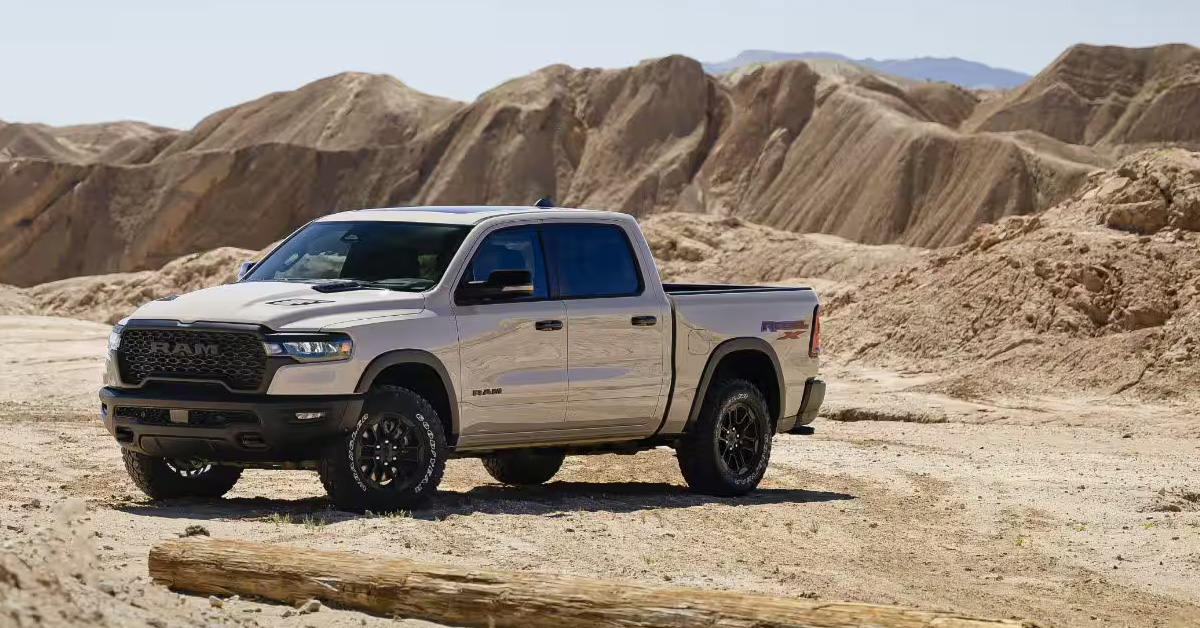
The 2025 RAM 1500 is turning heads—and not just because of its bold new styling or luxury-grade interior upgrades. This year, it’s what’s under the hood that’s sparking the most buzz. The legendary RAM truck is stepping into a new era with next-generation powertrains, offering drivers in Woodbridge, Stockton, Lockeford, and Armstrong the perfect blend of strength, innovation, and efficiency.
Whether you’re hauling tools to a job site or towing your boat up north, the 2025 RAM 1500 has the muscle and intelligence to get the job done—better and smarter than ever. If you’re looking for a new RAM 1500 for sale that’s built for the future, the latest engine options make this model a serious contender in the pickup segment.
Meet the Hurricane: A New Era of Turbo Power
Say hello to RAM’s most significant engine evolution in years—the 3.0L Hurricane Twin-Turbo I6. This new engine is designed to replace the 5.7L HEMI V8 in most 2025 RAM 1500 models, and it’s doing so with style and power to spare.
Here’s what makes the Hurricane stand out:
- 420 horsepower
- 469 lb-ft of torque
- Increased fuel efficiency
- Higher towing capability than previous V8 options
The Hurricane is engineered for everyday strength and long-haul reliability, giving drivers around Stockton and Lockeford the confidence to tackle highways, hills, and heavy loads alike.
If you’ve been searching for a 2025 RAM 1500 engine that does more with less, this new turbocharged option is where high performance meets practical driving.
High-Output Hurricane: Performance-Driven
For those who crave even more thrill, the High-Output Hurricane variant pushes the envelope further. Found in higher trims like the ultra-luxurious RAM 1500 Tungsten, this engine offers:
- 540 horsepower
- 521 lb-ft of torque
- Best-in-class acceleration for a full-size pickup
This version of the 2025 RAM 1500 engine is crafted for drivers in Woodbridge and Armstrong who want a refined ride without compromising on brute strength. It’s ideal for towing trailers, off-road adventuring, and overtaking slow traffic with ease.
When comparing the standard and high-output variants, it’s clear that RAM is giving buyers more flexibility and power than ever. This 2025 RAM 1500 engine comparison truly shows how far the brand has come.
The 3.6L Pentastar V6 with eTorque: Efficiency Meets Power
Not ready to go full turbo just yet? The trusty 3.6L Pentastar V6 with eTorque still powers select 2025 RAM 1500 models. This powertrain combines a proven V6 design with RAM’s advanced mild-hybrid system, resulting in:
- Solid horsepower and torque
- Improved fuel economy
- Smooth acceleration with low-end torque boost
This option is perfect for drivers in Armstrong or Lockeford who want reliable performance without jumping into turbocharged territory. It’s also a great entry point into the RAM family if you’re buying your first full-size truck.
As part of the full 2025 RAM 1500 engine options, the Pentastar delivers everyday capability while keeping things efficient and affordable.
HEMI V8 Retirement: Saying Goodbye to a Legend
The 5.7L HEMI V8 has long been a symbol of RAM toughness. For years, it powered everything from base trucks to off-road beasts. But for 2025, it’s stepping aside to make room for more modern, efficient alternatives.
Why is RAM retiring the HEMI in most models?
- Emissions standards are stricter than ever
- Fuel economy is now a top priority
- Turbocharged engines offer better performance and efficiency
While fans in Stockton and Woodbridge might miss that unmistakable V8 growl, the truth is clear: the Hurricane engines outperform the HEMI in nearly every category. But if you’re still attached to the HEMI, now’s the time to check out remaining 2024 models or certified pre-owned options at Lodi CDJR.
RAM 1500 Engine Comparison: Which Powertrain is Right for You?
Choosing the right engine depends on how—and where—you drive. Let’s break it down.
| Engine | Horsepower | Torque (lb-ft) | Fuel Efficiency | Towing Capacity | Best For |
| 3.6L Pentastar V6 (eTorque) | 305 | 273 | Moderate | Up to 7,710 lbs | Daily driving, light hauling |
| 3.0L Hurricane Twin-Turbo I6 | 420 | 469 | Improved | Up to 11,500 lbs | Heavy-duty jobs, long-distance hauling |
| High-Output Hurricane I6 | 540 | 521 | High | TBD | Performance, towing, high-end trims |
Whether you’re towing trailers near Armstrong or cruising through Stockton, there’s a 2025 RAM 1500 engine designed to fit your life. Use this 2025 RAM 1500 engine comparison to guide your decision.
Explore the New RAM 1500 for Sale near Woodbridge and Stockton
If you’re ready to test out these exciting new powertrains, head over to Lodi CDJR. We offer a wide selection of trims and 2025 RAM 1500 engine options, available for buyers from:
- Woodbridge
- Stockton
- Lockeford
- Armstrong
Our dealership has the tools and team to help you pick the right model, powertrain, and package for your needs. Whether you want tech, towing, luxury—or all three—we’ve got a new RAM 1500 for sale with your name on it.
Technology That Works With the Engine, Not Against It
The 2025 RAM 1500 isn’t just about raw horsepower or turbocharged upgrades—it’s about how those engines work seamlessly with cutting-edge technology to make driving easier, smarter, and more efficient.
RAM engineers have built a lineup that blends mechanical strength with digital intelligence, giving drivers confidence whether they’re commuting from Woodbridge or towing near Lockeford.
Smart Performance Features You’ll Appreciate
- Active Air Dam & Aerodynamics: The 2025 RAM 1500 adjusts airflow automatically at high speeds to reduce drag and improve fuel economy across all engine options.
- Engine Stop/Start Technology: Available on the Pentastar V6, this feature helps conserve fuel during idle time, like traffic lights or stop-and-go driving.
- Drive Modes with Engine Tuning: The available Selec-Speed® Control and adjustable drive modes optimize engine output and throttle control depending on your terrain or load.
- Thermal Management System: Helps the turbocharged Hurricane engines maintain ideal operating temps, even when towing under stress or pushing the limits.
Trailering Tech to Match the Muscle
The new engines may do the heavy lifting, but RAM gives you extra tools to stay safe and in control while towing or hauling:
- Trailer Reverse Steering Control: Control the trailer direction with a knob, while the truck does the steering.
- Integrated Trailer Brake Controller: Syncs with your trailer’s brakes for smoother stops.
- 360° Surround View Camera: Paired with Trailer Tow Pages, it makes connecting and navigating with a trailer easier than ever.
With this combination of engine power and smart tech, the 2025 RAM 1500 delivers performance without compromise—ready for daily use in Stockton, long drives across Armstrong, or job site hauls anywhere in California.
Can you get a 2025 RAM 1500 with a V8?
No, the 2025 RAM 1500 is no longer available with a V8 engine. RAM has discontinued the 5.7L HEMI V8 across all trims.
What engine will replace the 5.7 HEMI in the 2025 RAM 1500?
The 5.7 HEMI V8 is being replaced by the 3.0L Hurricane Twin-Turbo inline-six engine, which is available in two configurations: Standard Output and High Output.
How much horsepower does a 2025 SST RAM 1500 have?
The 2025 RAM 1500 with the SST (Standard Output Hurricane) engine produces 420 horsepower.
Why is RAM getting rid of the 5.7 HEMI engine in the RAM 1500?
RAM is phasing out the 5.7L HEMI to meet stricter emissions standards and to offer better fuel efficiency and performance through the new Hurricane engines.
Whether you’re comparing engine specs or deciding which model is right for your lifestyle, having the right answers makes it easier to choose confidently. If you have more questions or want to test drive a new RAM 1500 for sale, our team at Lodi CDJR is here to help.
Explore the Future of Power with the 2025 RAM 1500
From the versatile Pentastar V6 to the cutting-edge Hurricane turbo engines, the 2025 RAM 1500 engine lineup is built for drivers who demand more. Whether you need power, efficiency, or both, RAM delivers the next generation of pickup capability.
Ready to experience it for yourself? Visit Lodi CDJR today to explore the full 2025 RAM 1500 engine options in person. We proudly serve Woodbridge, Stockton, Lockeford, Armstrong, and surrounding communities. Our wide selection of new RAM trucks is ready for whatever you’ve got planned—work, play, or anything in between.
Want to get a head start? You can apply online through our finance application page or check out the latest vehicles on our new inventory page. Both make it easy to move forward without the hassle. You can also visit our onsite dealership!
While you’re here, don’t forget to explore our blog for more useful insights. If you’re considering an off-road-ready SUV or want to compare your RAM to a Jeep, we’ve got you covered. Learn more about which Jeep models have the highest ground clearance for off-road performance.
Ever wondered why some Jeeps say Willys on them? We explain the history behind that classic badge. And if you’re prepping for roadside emergencies, our guide on how to use the spare tire on your Jeep gives you the step-by-step help you need.
No matter where you’re headed, Lodi CDJR has the vehicles, tools, and support to help you drive confidently into the future. Contact us today—we’re here to help.

When it comes to conquering rugged trails, rocky paths, and off-road adventures, ground clearance is everything. The higher your Jeep sits, the easier it is to navigate obstacles without damaging vital undercarriage components. But which Jeep models offer the most clearance in 2025? From the legendary Wrangler to the capable Gladiator, we’re breaking down the highest-riding Jeep models and what makes them the ultimate off-road machines.
If you’re looking for a Jeep that can handle any terrain, Lodi CDJR has you covered. Visit us near Woodbridge, Stockton, Lockeford, and Armstrong to explore our lineup and find the perfect high-riding Jeep for your next adventure!
Understanding Ground Clearance and Why It Matters
Ground clearance is the space between the lowest part of your Jeep and the ground. The more clearance you have, the better your vehicle can handle rough terrain. Whether you’re climbing over rocks or driving through deep ruts, the right amount of lift makes a big difference.
Why does ground clearance matter? Here’s what it affects:
- Off-Road Capability – A higher Jeep can clear obstacles without scraping the undercarriage.
- Ride Comfort – Taller vehicles absorb bumps better, making for a smoother ride.
- Handling & Stability – More height can make a vehicle feel top-heavy, especially on turns.
- Fuel Efficiency – Higher models may use more fuel due to increased air resistance.
When comparing Jeep model lift heights, it’s clear that some vehicles are built for extreme conditions. The Wrangler and Wrangler 4xe offer some of the highest ride heights, making them great choices for off-road adventures. The highest riding Jeep models also include the Gladiator and Grand Cherokee, both designed for rugged trails.
If you’re looking for a Jeep ground clearance comparison 2025, focus on models with features like adjustable suspension and skid plates. These details can help you choose a Jeep that meets your driving needs, whether you’re sticking to paved roads or heading deep into the wilderness.
How Jeep Measures Up: Ground Clearance in the 2025 Lineup
Jeep has a long history of building vehicles ready for rough terrain. Every model offers a balance of off-road strength and everyday driving comfort. But when it comes to ground clearance, not all Jeeps are the same.
The highest riding Jeep models stand out with impressive lift heights. Some offer fixed clearance, while others have adjustable suspension for better control on different surfaces. If you’re looking for a Jeep ground clearance comparison 2025, you’ll see that each model has a unique design to match its purpose.
Here’s what affects ground clearance across the lineup:
- Tire Size – Bigger tires provide more lift and better traction.
- Suspension Type – Some models have air suspension that raises or lowers as needed.
- Off-Road Features – Skid plates, rock rails, and special shocks can improve ride height and protection.
Among Jeep model lift heights, the Wrangler and Wrangler 4xe are built for extreme conditions. These SUVs have some of the best clearance in the lineup, making them ideal for trail riding and rock crawling. Other models, like the Grand Cherokee and Gladiator, offer a mix of high clearance and smooth road handling.
If you need a Jeep that can handle anything, knowing how each model measures up is key. Comparing ride heights and off-road features will help you find the right fit for your adventures.
Ranking the 2025 Jeep Models by Ground Clearance
Not all Jeeps sit at the same height. Some are built for everyday driving, while others are made to tackle rough terrain. If you’re searching for the highest riding Jeep models, understanding their ground clearance is key.
A Jeep ground clearance comparison 2025 shows that different models offer varying ride heights. Some have fixed clearance, while others feature adjustable suspension for more flexibility. Here’s how they rank from lowest to highest:
- Wagoneer S – The all-electric model sits lower than the rest, making it better for city driving than off-road trails.
- Compass – Offers a balanced height with a small lift for light off-road use.
- Grand Cherokee – Provides adjustable clearance with air suspension, making it versatile for both highways and trails.
- Gladiator – Built for rugged terrain, this truck has a tall ride and strong suspension.
- Wrangler – One of the Jeep model lift heights leaders, designed for serious off-road adventures.
- Wrangler 4xe – The plug-in hybrid version keeps the same high stance while adding electric capability.
The Wrangler and Wrangler 4xe stand out as some of the best options for off-road performance. With their high clearance and rugged design, they can handle deep ruts, rocks, and steep climbs with ease. Whether you need a Jeep for city roads or extreme trails, choosing the right ground clearance will make all the difference.
Jeep Wagoneer S – 6.4 Inches
The Wagoneer S is Jeep’s first all-electric SUV. Built for city roads and highways, it has a sleek design and modern tech. Unlike models made for off-road trails, this SUV focuses on smooth handling and efficiency.
With 6.4 inches of ground clearance, the Wagoneer S sits lower than most Jeeps. While it may not be one of the highest riding Jeep models, its lower stance improves aerodynamics and stability at high speeds.
Key features of the Wagoneer S ride height:
- Fixed Ground Clearance – Unlike some models with air suspension, the Wagoneer S has a set ride height.
- City-Friendly Design – Lower clearance makes it easier to enter, exit, and load cargo.
- Not Built for Rough Terrain – This SUV is best for paved roads, not rocky trails.
A Jeep ground clearance comparison 2025 shows that models like the Wrangler and Wrangler 4xe sit much higher. These SUVs are designed for off-road driving, while the Wagoneer S prioritizes comfort and efficiency. If you need an electric Jeep for daily driving, this model is a strong choice. However, those looking for greater Jeep model lift heights should explore other options in the lineup.
Jeep Compass – 8.1 to 8.6 Inches
The Jeep Compass blends city comfort with off-road ability. It sits higher than most small SUVs, making it a solid choice for light trails. With a ground clearance between 8.1 and 8.6 inches, it offers more height than many competitors but less than Jeep’s top off-road models.
A Jeep ground clearance comparison 2025 shows that the Compass provides:
- 8.1 inches on standard models – Great for daily driving with some off-road potential.
- 8.6 inches on Trailhawk trims – Designed for better clearance on rough terrain.
While the Compass can handle dirt roads and small obstacles, it is not one of the highest riding Jeep models. It offers more height than a typical crossover but less than models built for extreme off-road use.
Drivers looking for greater Jeep model lift heights may prefer something taller. The Wrangler and Wrangler 4xe sit much higher, making them better for rock climbing and deep ruts. However, for a balance of smooth handling and light trail ability, the Compass is a strong choice.
Wagoneer & Grand Wagoneer – 8 to 10 Inches
The Wagoneer and Grand Wagoneer offer a mix of luxury and off-road power. These full-size SUVs sit higher than many road-focused models, giving them an edge on uneven terrain. With a ground clearance range of 8 to 10 inches, they provide flexibility for both smooth highways and rugged trails.
A Jeep ground clearance comparison 2025 highlights how these models adapt to different driving conditions:
- 8 inches with standard suspension – Best for daily driving and towing.
- Up to 10 inches with Quadra-Lift air suspension – Raises the vehicle for better off-road handling.
While these SUVs are built for comfort, their adjustable height makes them more capable than most luxury SUVs. They are not among the highest riding Jeep models, but their air suspension allows drivers to increase lift when needed.
For those who need greater Jeep model lift heights, the Wrangler and Wrangler 4xe are better suited for extreme trails. However, if you want a refined ride with the option for extra clearance, the Wagoneer and Grand Wagoneer deliver a strong balance of performance and luxury.
Jeep Grand Cherokee & Grand Cherokee L – 8.4 to 10.9 Inches
The Jeep Grand Cherokee and its larger Grand Cherokee L offer a strong mix of comfort and off-road power. These SUVs provide a ride that is smooth on highways but tough enough for rough trails. With a ground clearance range of 8.4 to 10.9 inches, they stand out in a Jeep ground clearance comparison 2025 for their flexibility.
Here’s how their ride height changes with different setups:
- 8.4 inches on standard models – Ideal for daily driving and light off-road use.
- Up to 10.9 inches with Quadra-Lift air suspension – Raises the SUV for better clearance on rugged trails.
The ability to adjust height makes these vehicles more versatile than many competitors. While not the highest riding Jeep models, they can still handle mud, rocks, and steep climbs with ease.
If you are searching for greater Jeep model lift heights, options like the Wrangler and Wrangler 4xe sit even higher and are built for extreme trails. However, for a mix of family comfort, technology, and off-road strength, the Grand Cherokee lineup is a top choice.
Jeep Gladiator – 10 to 11.6 Inches
The Jeep Gladiator offers one of the highest ground clearances in its class, with a range of 10 to 11.6 inches. This pickup is designed to handle tough trails while offering the rugged utility of a truck.
With its strong off-road capabilities, the Gladiator is a favorite among adventure seekers. Its high ground clearance puts it near the top when comparing Jeep model lift heights in the 2025 lineup.
- 10 inches on standard models – Great for everyday use with plenty of clearance for light off-roading.
- Up to 11.6 inches with the Mojave trim – The highest available ground clearance, ideal for extreme off-road adventures.
This lift height allows the Gladiator to clear obstacles like rocks and deep ruts. While it may not reach the highest riding Jeep models, the Gladiator offers a perfect balance of truck utility and off-road toughness.
For even more height, the Wrangler and Wrangler 4xe models have additional lift options, but the Gladiator stands out for its truck-bed versatility paired with great ground clearance.
Jeep Wrangler & Wrangler 4xe – 9.7 to 12.9 Inches
The Jeep Wrangler and Wrangler 4xe are among the highest riding Jeep models for the 2025 lineup, with ground clearance ranging from 9.7 to 12.9 inches. This impressive range makes them perfect for tackling a variety of off-road terrains.
- 9.7 inches on base models – A solid option for off-road adventures, providing plenty of clearance for most obstacles.
- Up to 12.9 inches on Rubicon trims – The highest clearance, designed to handle extreme off-roading, perfect for serious adventurers.
With its adjustable suspension and lift options, the Wrangler offers versatility. The Wrangler 4xe, a hybrid model, combines electric power with impressive ground clearance, giving you an eco-friendly option without sacrificing off-road capabilities.
Both models stand out in Jeep ground clearance comparison 2025, as they strike a balance between lift height and daily driving comfort. Whether you’re navigating rugged trails or cruising on the road, these vehicles offer the clearance and power you need.
Frequently Asked Questions
Which 2025 Jeep has the most ground clearance?
The Jeep Gladiator offers the highest ground clearance in the 2025 lineup, with a clearance range of 10 to 11.6 inches.
How much ground clearance does a Jeep Wrangler have?
The Jeep Wrangler offers ground clearance ranging from 9.7 to 12.9 inches, depending on the trim.
Does the Jeep Grand Cherokee have good ground clearance?
Yes, the Jeep Grand Cherokee has a ground clearance between 8.4 and 10.9 inches, which is good for both on-road and off-road capabilities.
How does Jeep Quadra-Lift affect ground clearance?
Quadra-Lift is an air suspension system that allows for adjustable ride heights, increasing ground clearance by up to 10.9 inches on models like the Grand Cherokee.
What’s the ground clearance of a stock Jeep Rubicon?
A stock Jeep Rubicon offers 10.8 inches of ground clearance, perfect for tackling off-road trails.
Can I increase my Jeep’s ground clearance?
Yes, you can increase your Jeep’s ground clearance by installing a lift kit or upgrading the suspension system.
Does the 4xe have different ground clearance?
The Wrangler 4xe has similar ground clearance to the regular Wrangler, ranging from 9.7 to 12.9 inches, depending on the trim.
How does Jeep measure ground clearance?
Ground clearance is measured from the lowest point of the vehicle’s undercarriage to the ground, typically from the axles or differential.
Which Jeep trim levels offer more ground clearance?
The Rubicon trims of models like the Wrangler and Gladiator typically offer the highest ground clearance, ranging up to 12.9 inches.
Does adding larger tires increase ground clearance?
Yes, adding larger tires can increase the vehicle’s ground clearance by raising the overall height of the vehicle.
What’s the difference between running and static ground clearance?
Running ground clearance refers to the clearance while the vehicle is in motion, whereas static ground clearance refers to the height when the vehicle is stationary.
How does load affect Jeep ground clearance?
Heavy loads or added weight in the vehicle can decrease ground clearance, as it lowers the suspension.
Does the Jeep Gladiator have more ground clearance than Wrangler?
Yes, the Jeep Gladiator generally offers more ground clearance than the Wrangler, with a range of 10 to 11.6 inches compared to the Wrangler’s 9.7 to 12.9 inches.
What’s considered good ground clearance for off-roading?
8 to 10 inches of ground clearance is typically considered good for off-roading, though higher clearance offers better capability for rough terrains.
Do all Jeep models have adjustable ride height?
Not all Jeep models have adjustable ride height, but models equipped with Quadra-Lift or certain suspension upgrades do.
How does ground clearance affect fuel economy?
Higher ground clearance can negatively impact fuel economy, as it increases air resistance and weight, leading to reduced efficiency.
What’s the lowest point on a Jeep for clearance?
The differential is usually the lowest point on a Jeep, especially for off-roading models.
Does the Jeep Compass have adequate ground clearance?
The Jeep Compass has a ground clearance between 8.1 to 8.6 inches, which is adequate for most light off-roading but not for extreme trails.
How does ground clearance compare to other SUV brands?
Jeep models typically have higher ground clearance compared to many other SUVs, making them better suited for off-roading.
Does adding a lift kit void Jeep warranty?
Adding a lift kit may void certain aspects of your warranty, particularly if the modification causes damage to the vehicle’s components. Always consult with your dealership before making modifications.
Explore Top Jeep Models with High Ground Clearance at Lodi CDJR
If you’re looking for more information about the Jeep models with the highest ground clearance or need help choosing the best vehicle for your adventures, we invite you to visit Lodi CDJR. Our team is ready to assist you in finding the perfect Jeep that suits your needs. Whether you’re from Woodbridge, Stockton, Lockeford, or Armstrong, we offer a wide selection of vehicles, including the popular Wrangler and Wrangler 4xe.
Feel free to explore our inventory to discover the perfect model for you. You can easily view available options by visiting our Wrangler and Wrangler 4xe selection.
While you’re here, be sure to check out some of our other helpful resources. For example, if you’ve ever wondered why some Jeeps say “Willy’s” on them, or need a guide on how to use the spare tire on your Jeep, we’ve got you covered. Plus, don’t miss out on learning about the power of the 2024 Ram 2500 Big Horn in our latest feature.
We’re excited to help you find your next adventure-ready vehicle!
Get Directions to Lodi CDJR
Disclaimer: All information is provided for general informational and entertainment purposes only. While we strive for accuracy, we cannot guarantee that all content is complete, current, or error-free. Any reliance you place on such information is strictly at your own risk. This article may include opinions and is not endorsed by, or officially affiliated with, any vehicle manufacturer or brand. Always consult official sources – such as the vehicle’s owner’s manual, authorized dealerships, or certified professionals – for the most up-to-date and personalized information.
Why Do Some Jeep’s Say “Willy’s” On Them?

Ever noticed a Jeep with “Willys” proudly emblazoned on the side and wondered what that’s all about? The name “Willys” holds a special place in Jeep history, paying tribute to the rugged, military-grade vehicles that helped win World War II. But the Willys name isn’t just a blast from the past—it’s alive and well in today’s Jeep lineup, particularly in the iconic Wrangler Willys Edition. So, what exactly makes these models stand out? From off-road performance to nostalgic styling, we’re diving into what makes a Jeep with “Willys” so unique. Whether you’re a seasoned off-roader or new to the Jeep family, the Willys edition is a must-see. Ready to get behind the wheel of a Jeep that combines history with modern power? Visit or contact Lodi CDJR today, and let’s get you started on your own adventure!
Read more: Why Do Some Jeep’s Say “Willy’s” On Them?The Jeep Willys Legacy: A Tribute to the Original Military Vehicle
The name “Willys” isn’t just a badge on a Jeep—it’s a piece of history. The Willys Jeep helped change the course of history during World War II, becoming the U.S. military’s go-to vehicle. It was rugged, dependable, and ready for any challenge, making it a symbol of resilience. Today, the Willys name is still alive in modern Jeep models, especially in the popular Wrangler lineup. But what does “Willys” really mean, and why is it such a big deal?
Willys Jeep History: A Military Icon
The original Willys Jeep was born out of necessity. During World War II, the U.S. Army needed a small, tough vehicle that could handle tough terrain. Willys-Overland Motors won the contract, and in 1941, the Willys MB was born. This Jeep was so reliable and versatile that it quickly became the military’s vehicle of choice.
Key elements of the Willys Jeep:
- Built for Tough Terrain: The Willys MB was designed to handle mud, snow, sand, and anything else soldiers could throw at it.
- Lightweight & Maneuverable: Its small size made it perfect for navigating tight spots and rough roads.
- Durable & Dependable: It could withstand the harshest conditions and keep going.
After the war, Willys-Overland adapted the military model into a civilian version, and the Jeep quickly became a symbol of freedom and adventure. Fast-forward to today, and the “Willys” name continues to honor this military legend.
The Jeep Willys Meaning Today
When you see “Willys” on a Jeep today, it’s a nod to that history. The modern Jeep Wrangler Willys Edition blends the best of both worlds: the rugged design and off-road power of the original military Jeep, with the comforts and technology of today.
The Willys name in current Jeep models signifies:
- Classic Styling: The grille, wheels, and decals all harken back to the original Willys design.
- Off-Road Excellence: Features like heavy-duty tires and upgraded shock absorbers make the Jeep Wrangler Willys ready for anything.
- Heritage & Adventure: Owning a Jeep Willys Edition is a way to connect with the past while embracing modern off-roading.
Jeep Willys Edition Differences
So, what makes the Jeep Wrangler Willys Edition stand out from a regular Wrangler or even the Wrangler 4xe? It’s all about performance and style. Here’s what makes the Willys Edition unique:
- Vintage Design: Gloss black grille, exclusive decals, and rugged bumpers give it that classic Willys look.
- Off-Road Features: It comes with 32-inch Firestone Mud-Terrain tires, upgraded shock absorbers, and underbody armor for superior off-road capabilities.
- Unique Badge: The Willys logo on the rear and hood adds a touch of military nostalgia to the modern Jeep.
While the standard Wrangler is already a formidable off-road vehicle, the Willys Edition takes it a step further with features aimed at adventure-seekers who want more from their vehicle.
Whether you’re cruising through the streets of Woodbridge, navigating Stockton’s rougher roads, or tackling the trails near Lockeford, the Jeep Willys Edition delivers both heritage and high performance. So when you see the name “Willys” on your next Jeep, you’re not just seeing a name—you’re seeing a legacy of toughness that’s still going strong today.
Jeep Willys Edition: An Icon Reimagined
The Jeep Willys Edition takes everything we love about Jeep’s history and adds modern performance, making it a true icon reimagined. While the name “Willys” pays homage to the rugged Willys Jeep that served in World War II, the Willys Edition today offers a blend of classic style and advanced features.
The Jeep Willys Edition keeps the essence of the original military Jeep but brings it into the present. It’s designed to turn heads on both city streets and off-road trails. Here’s a closer look at what sets this iconic model apart.
What Makes the Jeep Willys Edition Special?
- Nostalgic Design: The Jeep Willys Edition features details that remind us of its military past, like its black grille, vintage decals, and special badging. These elements are a direct nod to the Willys Jeep of WWII.
- Off-Road Ready: The Willys Edition is designed for adventure. It comes equipped with 32-inch Firestone Mud-Terrain tires, upgraded shock absorbers, and underbody armor to tackle tough trails with ease.
- Tough & Durable: Just like the Willys Jeep, this edition is built to endure. It has the same rugged construction that made the original Willys Jeep so reliable during wartime.
Jeep Willys Edition vs. Standard Wrangler
So, what makes the Willys Edition different from a regular Wrangler or even a Wrangler 4xe? While the Wrangler is already known for its off-road capabilities, the Willys Edition goes a step further with these unique features:
- Exclusive Grille & Wheels: The Willys Edition comes with a distinct black grille and rugged wheels designed to handle tough conditions.
- Enhanced Suspension & Tires: With upgraded shocks and larger, more aggressive tires, the Willys Edition is built for serious off-road action.
- Vintage Touches: The Willys Edition includes retro-inspired design elements like the classic “Willys” hood decal and military-style badging.
Whether you’re cruising through the streets of Woodbridge, exploring Stockton, or tackling off-road trails near Lockeford and Armstrong, the Jeep Willys Edition delivers a true adventure experience with a timeless style.
Why the Jeep Wrangler Willys is Built for Adventure
The Jeep Wrangler Willys is not just another off-road vehicle. It’s designed for people who crave adventure. Whether you’re exploring Woodbridge or heading to remote trails near Stockton, this Jeep is ready to tackle anything you throw at it. Its Willys Jeep roots show in every feature, providing a perfect blend of rugged history and modern performance.
Engineered for the Great Outdoors
The Wrangler Willys isn’t just about looks. It’s built to handle the toughest terrains with ease. Here’s why it stands out:
- Heavy-Duty Tires: Equipped with 32-inch Firestone Mud-Terrain tires, the Wrangler Willys offers superior grip on rocks, mud, and sand. These tires make sure you’re ready for anything.
- Upgraded Suspension: With enhanced shocks, the Wrangler Willys offers smoother rides on rugged paths. It can absorb bumps and rough terrain with ease, so you can enjoy your journey without worrying about the road ahead.
- Underbody Armor: The underbody armor protects the Wrangler Willys from rocks and debris. This feature adds durability and ensures your Jeep stays in top shape while off-roading.
Off-Road Features You Can Rely On
The Jeep Willys is all about off-road performance. With features like:
- 4-Wheel Drive: This provides better traction, whether you’re driving up a steep hill or navigating muddy trails.
- Rugged Grille & Bumper: The black grille and bumpers are not just for show—they add to the Jeep’s strength and durability.
- Vintage Styling: The Jeep Willys Edition incorporates classic details from the Willys Jeep history, like the special hood decal and unique badging, paying tribute to its military past.
The Wrangler Willys and Wrangler 4xe: Ready for Any Adventure
Whether you’re looking for gas power or electric options, the Jeep Wrangler Willys can meet your needs. The Wrangler 4xe offers a plug-in hybrid option, combining electric power with the same rugged off-road features, making it a great choice for eco-conscious adventurers. Both models offer incredible off-road capability, but the 4xe gives you the added benefit of electric efficiency.
The Jeep Wrangler Willys and Wrangler 4xe are built to take on the wildest adventures, no matter where you are. From Armstrong to Lockeford, these vehicles are ready to explore every inch of the road less traveled.
The Jeep Willys and Its Historical Connection to World War II
The Jeep Willys is more than just a vehicle; it’s a piece of history. Its origins date back to World War II, when the U.S. military needed a reliable, tough vehicle for tough conditions. The Willys Jeep was born out of this need and became an icon of military durability and versatility.
The Birth of the Willys Jeep
In the early 1940s, the U.S. Army needed a lightweight, rugged vehicle for reconnaissance, transporting troops, and handling tough terrain. Willys-Overland Motors, a company based in Ohio, produced the vehicle that would become the Willys Jeep.
- First Military Model: In 1941, the Willys Jeep was created and quickly became essential to military operations during World War II.
- Design & Durability: The Jeep was designed to be small, durable, and capable of handling both paved and unpaved roads. Its four-wheel-drive system gave it an edge in off-road terrain.
How the Willys Jeep Changed the War
The Willys Jeep became a vital part of the war effort. Its small size allowed it to maneuver through tight spaces, while its toughness made it perfect for rough conditions. It was used for:
- Transporting Troops & Supplies: The Jeep could carry soldiers and equipment across difficult terrain, saving time and resources.
- Reconnaissance & Communication: The Jeep was also used to gather intelligence, delivering messages across enemy lines or through dense forests.
The Jeep’s versatility and reliability on the battlefield made it a hero of WWII.
Jeep Willys Today: A Tribute to the Past
The Jeep Willys Edition is a modern take on the classic Willys Jeep, designed for today’s off-road enthusiasts. While it honors the rugged military roots of its predecessor, it also offers the power and style of a Wrangler.
- Military-Inspired Features: The Willys Edition includes design elements that pay tribute to the original, such as vintage badging and a special hood decal.
- Built for Adventure: Just like the Willys Jeep, the modern Wrangler Willys is ready for tough adventures. With enhanced suspension, larger tires, and advanced four-wheel drive, it’s perfect for both off-road and daily driving.
The Jeep Wrangler 4xe: A Modern Twist on the Classic
The Wrangler 4xe is the plug-in hybrid version of the Jeep Wrangler. While it embraces modern technology with its electric powertrain, it still carries forward the toughness and off-road capabilities that made the Willys Jeep famous.
- Eco-Friendly Power: The 4xe offers a combination of electric and gas power, giving you the best of both worlds—performance and efficiency.
- Off-Road Ready: Just like its gas-powered counterparts, the 4xe is built to handle off-road terrain and rough conditions, all while keeping your adventures eco-friendly.
The Jeep Willys connection to World War II is a key part of its legacy. From its military roots to its current place in the Wrangler lineup, the Willys Jeep remains a symbol of strength, reliability, and adventure.
What does Willys mean on a Jeep?
The Willys name on a Jeep refers to the special edition that pays tribute to the original Willys Jeep from World War II. It’s a modern-day version of the rugged military vehicle.
Who was Willys and why are Jeeps named after them?
Willys-Overland Motors was a company that produced the first Jeep for the U.S. military during World War II. The company’s name is linked to the Jeep because it was the original maker of the first military Jeep, which became a symbol of toughness and utility.
What’s special about a Willys edition Jeep?
A Willys Edition Jeep features unique styling elements that nod to the military heritage, like special badging, vintage-inspired decals, and enhanced off-road features.
How can I tell if my Jeep is a Willys edition?
You can identify a Willys Edition by looking for specific badges, hood decals, and unique features like black wheels, off-road tires, and distinctive interior touches that reflect its military roots.
Are Willys Jeeps worth more money?
Willys Edition Jeeps can be more expensive than standard models due to their special edition status and unique off-road features, but their value depends on factors like condition, age, and your needs.
What years did Jeep make Willys editions?
Jeep Willys editions have been produced in various model years, starting in the mid-2000s and continuing through recent models. Exact years can vary depending on the specific model, but they are commonly available in the Wrangler lineup.
What features come with a Willys package?
A Willys package typically includes features like 32-inch all-terrain tires, black wheels, a locking rear differential, rock rails, and special badging, along with military-inspired design touches.
Is Willys different from Rubicon?
Yes, the Willys Edition and Rubicon are different. The Rubicon is a more extreme off-road variant of the Jeep Wrangler, offering advanced features like front and rear locking differentials and a disconnecting sway bar, which make it more suited for serious off-roading. The Willys Edition focuses more on style and heritage, with off-road capabilities that are great for most adventures.
Why did Jeep bring back the Willys name?
Jeep brought back the Willys name to honor the legacy of the original Willys Jeep, celebrating its military history while offering a rugged, modern version for today’s off-road enthusiasts.
Are all Willys Jeeps four-wheel drive?
Yes, all Willys Jeeps are equipped with four-wheel drive (4WD) to handle off-road terrain, just like the original military vehicles they are based on.
What’s the difference between Willys Sport and Willys?
The Willys Sport is typically a more affordable version of the Willys edition with fewer premium features. It may have fewer off-road upgrades and styling elements compared to the full Willys package.
Does the Willys edition come in all Jeep models?
No, the Willys Edition is most commonly found in the Jeep Wrangler. It may not be available in all Jeep models, but it’s typically a part of the Wrangler lineup.
What colors are available for Willys edition Jeeps?
Willys Edition Jeeps come in a range of colors, including classic military-inspired hues like Sarge Green, Black, and Sting-Gray, along with other standard Jeep colors.
Is a Willys Jeep good for off-roading?
Yes, a Willys Jeep is built for off-roading. With upgraded suspension, larger all-terrain tires, and four-wheel drive, it’s designed to handle rough terrain with ease.
How much more expensive is a Willys edition?
The Willys Edition typically costs more than a standard Wrangler due to its special features and styling elements. The price difference can range from a few thousand dollars to more, depending on the model and options.
What engine comes in a Willys Jeep?
The Willys Edition Jeep generally comes with a 3.6L V6 engine, but you can also find it with the available 2.0L turbocharged four-cylinder engine in newer models.
Can I add Willys decals to my regular Jeep?
Yes, you can add Willys decals to a regular Jeep, but it won’t make it a Willys Edition. The decals are available as aftermarket accessories, though they won’t provide the same off-road features and style that come with the full Willys package.
Do they still make Willys Jeeps?
Yes, Jeep still offers Willys Edition models, particularly in the Wrangler lineup, though availability can vary by model year and market.
What’s the history of the original Willys Jeep?
The original Willys Jeep was created during World War II for the U.S. military. Its rugged design and versatility made it a staple in the war, and it became an enduring symbol of durability and capability.
How do you pronounce “Willys”?
Willys is pronounced “WILL-eez” (rhyming with “phillies”).
Ready for Adventure? Explore the Jeep Willys at Lodi CDJR
We hope this blog has helped answer your questions about why some Jeeps say “Willys” on them. If you’re curious to learn more or explore your options, we invite you to visit Lodi CDJR. We offer a wide selection of vehicles, including the Jeep Wrangler and Wrangler 4xe, perfect for tackling any adventure. Whether you’re from Woodbridge, Stockton, Lockeford, or Armstrong, we’ve got the right Jeep for you.
Don’t forget to continue exploring our site for more helpful content, like our step-by-step guide on using your Jeep’s spare tire. You can also check out the 2024 Jeep Wrangler and Ram 2500 Big Horn—vehicles designed to handle whatever comes your way.
Ready to find your next Jeep? Explore our inventory today:
Explore New Jeep Wranglers
Get Directions to Lodi CDJR
Disclaimer: All information is provided for general informational and entertainment purposes only. While we strive for accuracy, we cannot guarantee that all content is complete, current, or error-free. Any reliance you place on such information is strictly at your own risk. This article may include opinions and is not endorsed by, or officially affiliated with, any vehicle manufacturer or brand. Always consult official sources – such as the vehicle’s owner’s manual, authorized dealerships, or certified professionals – for the most up-to-date and personalized information.

Getting a flat tire is never fun, but if you drive a Jeep Wrangler or Wrangler 4xe, you’re already equipped to handle it like a pro. Whether you’re tackling trails near Stockton, cruising through Woodbridge, or exploring the roads of Lockeford and Armstrong, knowing how to use your Jeep’s spare tire can keep your adventure rolling.
This step-by-step guide will walk you through the Jeep tire change steps, from locating your Jeep spare tire to safely swapping it out and getting back on the road. With the right knowledge and tools, you’ll be prepared for anything the journey throws your way.
Need expert assistance or a full-sized replacement? Visit or contact Lodi CDJR—our team is here to help with all your Jeep maintenance and service needs!
Finding a Safe Spot to Change Your Tire
A flat tire can happen anywhere. Whether you’re driving through Stockton, Woodbridge, Lockeford, or Armstrong, safety comes first. Before you start the Jeep tire change steps, find a secure place to pull over.
Where to Stop
Look for:
- A flat, stable surface away from traffic
- A well-lit area if driving at night
- A parking lot or wide shoulder when possible
Avoid:
- Soft ground that could cause the jack to sink
- Curves or hills where visibility is low
- Busy streets or highways if safer options exist
Secure Your Jeep Before Starting
Once you stop, take these steps:
- Turn on your hazard lights – This alerts other drivers.
- Engage the parking brake – Prevents the Jeep from rolling.
- Check your spare tire location – Most Wrangler and Wrangler 4xe models have a spare mounted on the tailgate.
Be Aware of Your Surroundings
- Watch for passing cars before stepping out.
- If you have a warning triangle, place it a few feet behind your Jeep.
- If you’re near traffic, exit from the opposite side when possible.
Gathering Your Tools Before You Begin
Before starting the Jeep tire change steps, make sure you have the right tools. This will help you change the tire fast and safe.
Every Wrangler and Wrangler 4xe comes with the basic tools for a tire change. These include:
Tool & Purpose
- Jack – Lifts the Jeep off the ground
- Lug wrench – Loosens and tightens the lug nuts
- Spare tire – Replaces the flat tire
Where to Find Your Tools
- The Jeep spare tire location depends on the model. Most Wrangler models have it mounted on the back.
- The jack and lug wrench are stored inside the Jeep, often under the cargo area or back seats.
Check Before You Start
- Make sure all tools are in good shape.
- If you have a tire pressure gauge, keep it handy.
- If it’s dark, use a flashlight or your phone’s light.
With your tools ready, you can move to the next step: Jeep spare tire removal and replacing the flat tire.
Loosening the Lug Nuts Before Lifting Your Jeep
Before lifting your Wrangler off the ground, you need to loosen the lug nuts. This makes it easier to remove the flat tire.
Why Loosen First?
- A raised Jeep can shift if you apply too much force.
- Lug nuts can be very tight and harder to remove once the wheel is in the air.
Steps to Loosen Lug Nuts
- Find the lug wrench – This is usually stored near the jack.
- Locate the lug nuts – They hold the wheel in place.
- Turn counterclockwise – Use firm, steady force to break them loose.
- Loosen, but don’t remove – Keep them in place until the Jeep is lifted.
Helpful Tips
- If a nut won’t budge, use your foot to press down on the wrench.
- A breaker bar or extension can help with extra leverage.
- Make sure all nuts are loose before moving to the next step.
Once the lug nuts are loose, you’re ready to lift the Jeep and start the Jeep spare tire removal process.
Positioning the Jack and Lifting the Jeep
Now that the lug nuts are loose, it’s time to lift your Wrangler safely. Proper jack placement is key to avoiding damage or injury.
Where to Place the Jack
Your Wrangler 4xe has specific jack points designed to handle its weight. Placing the jack in the wrong spot can be dangerous.
Follow these steps to find the right location:
- Check your owner’s manual – It shows the exact jack points for your model.
- Look under the Jeep – Jack points are usually near the wheels on the vehicle’s frame.
- Make sure the surface is firm – Soft ground can cause the jack to sink or shift.
Lifting the Jeep
Once the jack is in place, follow these Jeep tire change steps to lift the vehicle safely:
- Turn the jack handle – Slowly raise the Jeep until the flat tire is off the ground.
- Keep an eye on stability – If the jack leans or moves, lower the Jeep and reposition.
- Do not go too high – Lift only enough to remove the flat tire and install the spare.
When the Jeep is lifted, you’re ready for the next step: Jeep spare tire removal and installation.
Removing the Flat Tire and Preparing the Spare
Now that your Wrangler or Wrangler 4xe is safely lifted, it’s time to take off the damaged tire and get the spare ready. This step is key to getting back on the road quickly and safely. Follow these steps to ensure a smooth process.
Taking Off the Flat Tire
- Once the Jeep is lifted, removing the flat tire is simple but requires care. A loose tire can be heavy, so always keep a firm grip.
- Fully remove the lug nuts – Since they were loosened earlier, they should come off easily. Turn them counterclockwise until they are completely removed. Place them in a secure spot so they don’t get lost.
- Grip the tire firmly – Stand facing the tire and place both hands on either side. Pull it straight toward you. If it feels stuck, wiggle it gently or tap the sides to loosen it.
- Set the flat tire aside – Lay it flat on the ground to prevent it from rolling away. If possible, store it in your cargo area or a safe place nearby.
Getting the Spare Ready
Before installing the spare, take a moment to inspect it. You want to be sure it’s in good shape before putting it on your Jeep.
Where to Find the Spare Tire
The Jeep spare tire location depends on your model:
- On most Wrangler and Wrangler 4xe models, the spare is mounted on the tailgate.
- Some Jeep models have it stored underneath the cargo area.
- If you’re unsure, check your owner’s manual for the exact location.
Preparing the Spare
- Check the spare’s air pressure – A poorly inflated spare won’t help much. If you have a tire pressure gauge, check it now. If it’s low, drive carefully to a service station once the spare is installed.
- Inspect the spare for damage – Look for cracks, cuts, or signs of wear. If anything looks off, avoid driving long distances on it.
- Align it with the wheel bolts – Lift the spare and match the holes to the wheel hub bolts.
- Hand-tighten the lug nuts – Place each lug nut back onto the bolts and turn them clockwise by hand. This keeps the tire in place before fully tightening later.
With the spare secured by hand, you’re now ready for the next Jeep tire change steps—lowering the vehicle and tightening the lug nuts.
Installing the Spare Tire Securely
Now that the spare is in place, it’s time to secure it properly. A loose tire can be dangerous, so take care during this step. Follow these simple instructions to ensure a safe and secure fit.
Aligning the Spare Tire
Before tightening anything, make sure the tire sits evenly on the wheel hub.
- Line up the holes – Match the holes on the spare with the bolts on the wheel hub.
- Push the tire in place – Press firmly to ensure it sits flush against the hub.
- Check the fit – The tire should not wobble or sit at an angle.
Tightening the Lug Nuts
- Lug nuts must be tightened in the correct order to ensure even pressure on the wheel.
- Hand-tighten first – Turn each lug nut clockwise by hand until snug.
Use a crisscross pattern – Instead of tightening one nut at a time in a circle, follow this order:
- Top
- Bottom
- Left
- Right
- Remaining nuts (if applicable)
This method helps prevent the wheel from sitting unevenly.
Lowering the Jeep and Final Tightening
With the lug nuts secured by hand, it’s time to lower the vehicle and tighten them completely.
- Slowly lower the jack – Turn the handle carefully until the tire touches the ground.
- Fully tighten the lug nuts – Use the wrench to turn each nut as tight as possible.
- Double-check each nut – Go around the wheel again to ensure none are loose.
Once everything is secure, you’re ready to go. Drive slowly at first and listen for any unusual noises. If something feels off, pull over and check the installation.
Lowering the Jeep and Tightening the Lug Nuts
Once the spare tire is mounted, the next crucial step is lowering the Jeep and ensuring the lug nuts are tightened securely. This step is vital for your safety on the road.
Lowering the Jeep
It’s time to carefully lower your Jeep back to the ground. Follow these steps to do it safely:
- Turn the jack handle – Slowly rotate the handle to lower the vehicle.
- Watch for the tire touching the ground – Ensure the spare tire makes full contact with the ground before lowering it fully.
- Stop once it’s on the ground – Keep lowering until the weight of the Jeep is resting on the spare tire.
Tightening the Lug Nuts
Now, it’s time to tighten the lug nuts properly to keep the spare securely in place.
- Use the lug wrench – Make sure the wrench is in the right size for the lug nuts.
- Tighten in a crisscross pattern – This ensures even pressure on the tire.
- Tighten the first nut at the top.
- .Move to the opposite side (bottom).
- Continue alternating left and right.
- Make sure they’re tight – Keep tightening until you can’t turn the nuts anymore.
Double-Check the Nuts
It’s important to double-check the lug nuts after lowering the Jeep.
- Check each nut – Go around the tire and tighten any loose nuts.
- Reassess the tire pressure – Ensure the spare tire is properly inflated before driving.
With the lug nuts securely in place, you’re good to go! Always drive cautiously after a tire change, especially in a Jeep like the Wrangler or Wrangler 4xe, until you’re sure everything is properly adjusted.
Checking Tire Pressure and Driving Safely
Once your spare tire is installed, it’s essential to check its tire pressure before heading back out on the road. This ensures the tire will perform safely and effectively while driving. Whether you’re using a standard spare or a full-size tire on models like the Wrangler or Wrangler 4xe, proper tire pressure is a critical part of vehicle safety and performance.
Check the Tire Pressure
Before you drive, you need to verify that your spare tire is properly inflated. An under-inflated or over-inflated tire can negatively impact your vehicle’s handling and fuel efficiency. Here’s how to check the tire pressure:
Get a Tire Pressure Gauge
A tire pressure gauge is a simple tool that measures the air pressure inside the tire. These can be found at most auto parts stores, or you may already have one in your vehicle’s toolkit.
Check the Tire Pressure
To use the gauge, attach it to the valve stem of the spare tire. When properly connected, the gauge will give you a reading of the air pressure inside. Compare this reading to the recommended tire pressure.
The recommended pressure can be found on a label inside the driver’s side door frame or in your vehicle’s manual. This ensures the tire pressure is within the safe operating range for your specific vehicle.
Adjust the Tire Pressure
If the tire pressure is too low or high, adjust it accordingly.
- To inflate – Use an air compressor at a nearby service station or use a portable air compressor if you have one in your vehicle.
- To deflate – Press on the small valve at the top of the valve stem to release some air until the pressure is correct.
Ensure the Valve Is Secure
After checking or adjusting the tire pressure, be sure the valve stem cap is securely replaced to avoid any air leakage.
Drive Cautiously and Safely
Once your spare tire is properly inflated, you can start driving again. However, driving with a spare tire, especially a temporary one, requires extra caution. A spare tire is not designed to provide the same level of performance as your vehicle’s regular tires, so it’s important to follow these key guidelines:
Limit Your Speed
Spare tires, particularly smaller temporary ones, are not meant for high speeds. Driving at high speeds can cause the tire to wear unevenly or even fail. Stick to the speed limit and drive at a slower pace, especially if you’re using a compact spare.
Most spare tires have a maximum speed recommendation of around 50 miles per hour (80 km/h). Check your vehicle’s manual for the exact speed limits.
Stay on Smooth Roads
A spare tire is not built for the rugged off-road conditions a Jeep may often encounter. Try to stay on paved or smooth roads as much as possible to avoid putting too much strain on the spare tire. If you’re on an adventure in your Jeep, it’s best to avoid difficult trails until you can replace the spare with a regular tire.
Monitor the Spare Tire
After driving for a short distance, stop and check the spare tire to ensure it’s still properly secured. Also, check the tire pressure again to make sure it hasn’t changed. If you feel any unusual vibrations or hear strange noises, pull over and inspect the tire. If needed, replace it with a fully inflated, regular tire as soon as possible.
Plan for a Tire Change as Soon as Possible
While your spare tire will get you back on the road, it’s crucial to remember that it’s only a temporary fix. Once you’ve checked the pressure and driven cautiously, try to make plans to visit your mechanic or tire service center to replace the spare with a regular tire as soon as you can. Regular tires are designed for the specific demands of your vehicle and will provide better performance, handling, and safety.
By checking the tire pressure, adjusting it as needed, and driving cautiously, you’ll be able to safely continue your journey until you’re able to replace the spare with a new or repaired tire. If you’re unsure about any part of the process or need assistance, don’t hesitate to reach out to the team at Lodi Chrysler Dodge Jeep Ram for support. We’re here to help!
FAQ
Where is the spare tire located on a Jeep Wrangler?
-The spare tire on a Jeep Wrangler is typically mounted on the rear tailgate.
How do I lower the spare tire on my Jeep?
=To lower the spare tire, you’ll need to use the tire hoist system located behind the rear seat or in the cargo area. Use the provided tool to disengage the hoist, then lower the tire.
What size is my Jeep’s spare tire?
-The size of your Jeep’s spare tire depends on the model year and trim. Generally, it matches the tire size of your regular tires but may differ depending on whether you have a full-size spare or a smaller temporary spare.
Do all Jeeps come with a spare tire?
-Most Jeeps come equipped with a spare tire, but some models may offer it as an optional upgrade or feature a smaller temporary spare.
What tools do I need to change a Jeep tire?
-To change a tire on your Jeep, you’ll need a jack, a lug wrench, and a spare tire. Your Jeep may come with a tire tool kit for this purpose.
How do I access my Jeep’s spare tire toolkit?
-The spare tire toolkit is typically stored in the cargo area or behind the rear seat. It may be in a compartment or on the tailgate, depending on your Jeep model.
Can I put a full-size tire as my Jeep’s spare?
-Yes, you can use a full-size tire as your Jeep’s spare, and it is generally recommended for better overall performance and safety, especially if you have lifted your Jeep.
How long can I drive on my Jeep’s spare tire?
-You should not drive on your Jeep’s spare tire for more than a few hundred miles and avoid speeds over 50 mph. Spare tires are designed for temporary use.
Why is my Jeep spare tire hard to remove?
-A Jeep spare tire may be hard to remove due to rust or debris on the hoist mechanism or the tire mounting system. Regular maintenance and cleaning can help prevent this issue.
Does my Jeep spare tire need regular maintenance?
-Yes, your Jeep’s spare tire should be checked regularly for proper pressure, wear, and any signs of damage. This will ensure it’s ready when you need it.
Can I use my spare tire on any wheel position?
-It’s best to place your spare tire on a rear position, not on the front, as it may not match the size and tread of the other tires.
How often should I check my Jeep’s spare tire pressure?
-You should check your Jeep’s spare tire pressure at least once a month or whenever you inspect your regular tires.
What’s the weight of a Jeep spare tire?
-The weight of a Jeep spare tire can vary, but it generally weighs around 40 to 60 pounds, depending on the tire size.
Can I upgrade my Jeep’s spare tire carrier?
-Yes, many Jeep owners upgrade their spare tire carriers for enhanced strength, better tire fitment, or larger spare tire support.
Will my spare tire fit if I’ve lifted my Jeep?
-If you’ve lifted your Jeep, you may need a larger spare tire carrier or a different size tire to accommodate the lift.
How do I secure my spare tire after use?
-After using your spare tire, securely tighten the lug nuts and check the tension to ensure it is firmly in place.
What’s the correct torque for spare tire lug nuts?
-The recommended torque for your Jeep’s spare tire lug nuts is typically between 75-100 ft-lbs, but always refer to your vehicle’s manual for the exact specifications.
Can I wash my Jeep with the spare tire mounted?
-Yes, you can wash your Jeep with the spare tire mounted. Just be sure to clean the tire and hoist mechanism to avoid rust buildup.
How do I prevent spare tire theft?
-Spare tire theft can be prevented by using a lockable spare tire carrier or a spare tire lock. This will make it more difficult for thieves to remove the tire.
Should I rotate my spare tire with other tires?
-It’s not typically necessary to rotate your spare tire with the others. However, if you plan to use it regularly, it may help to rotate it into your regular tire rotation schedule.
Explore More: Your Jeep and Adventure Awaits at Lodi CDJR
At Lodi CDJR, we want you to get the most out of your Jeep, whether you’re tackling rough terrain or just enjoying a weekend getaway. If you’re from Woodbridge, Stockton, Lockeford, or Armstrong, we invite you to explore our selection of Jeep models, including the Jeep Wrangler and Wrangler 4xe, and discover the perfect vehicle for your adventures.
If you’re considering more options for your family, check out our blog about 3 Great Family Vehicle Options From Your CDJR Dealer. It’s packed with insights on vehicles that bring together practicality, style, and versatility.
Or perhaps you’re looking for a vehicle that combines elegance and performance? Dive into our article on the Elegance and Versatility: The 2024 Wagoneer for a deeper look at this impressive model.
We also have something for those who enjoy a balance of adventure and efficiency. Explore 4 Reasons to Love the 2024 Jeep Compass, a compact SUV that can handle any journey with ease.
Feel free to visit or contact us at Lodi CDJR for more information on our vehicles and to get personalized assistance. We’re here to help you find the right Jeep or other models to meet your needs!
 The Chrysler Pacifica offers it all: sleek looks, a formidable powertrain, and one of the most spacious, luxurious, and versatile interiors of any minivan. It’s the perfect choice for those seeking a fun, stylish, and practical family hauler. The 2024 Chrysler Pacifica also stands out as the only minivan offering a plug-in hybrid powertrain, making it ideal for those prioritizing fuel efficiency. Here’s everything else you need to know.
Powerful Engine and Performance
The Chrysler Pacifica offers two distinct powertrains to cater to different preferences. The standard powertrain is a robust 3.6-liter V6 that generates up to 287 HP and 262 lb-ft of torque. This powerhouse propels the Pacifica to 60 in just 7 seconds and boasts a towing capacity of up to 3,600 pounds, allowing you to bring your toys along. Read the rest of this entry »
Basics About the 2024 Grand Wagoneer
 The 2024 Grand Wagoneer is redefining the three-row SUV. It combines ruggedness, power, and luxury to create a vehicle built for family adventures. We look at some of the reasons drivers can’t wait to get their hands on Jeep’s Grand Wagoneer.
Thanks to its rugged good looks, the Grand Wagoneer will get you noticed on the streets of Lodi. The show-stopping chrome grille dominates the front, flanked by bright LED projector headlights and LED daytime running lights. Striking 20-inch aluminum wheels with baltic gray pockets add a refined touch to the exterior. Read the rest of this entry »
Off-Road Freedom: The 2024 Jeep Gladiator
 If you crave the freedom and adrenaline of outdoor exploration, you’ll need a vehicle capable of adventure. From logs and rocks to sandy creeks, the 2024 Jeep Gladiator can conquer it all. This five-passenger vehicle also has features that will keep you and your crew safe and comfortable in all conditions. If adventure is on the agenda, you’ll want to check out the Gladiator.
Engineered for the Trail
The Gladiator is equipped with several standard features that help you make the most of your time on the trail. High-strength steel skid plates protect the underside of the vehicle from damage caused by uneven terrain, and front and rear tow hooks are handy when helping others on the trail who need assistance. The front and rear axles on the Gladiator are heavy duty for extra strength and durability. Read the rest of this entry »
Connect with us


